
Overview
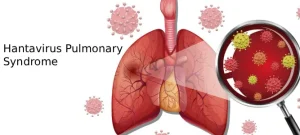
Hantavirus pulmonary syndrome is a rare but severe viral illness that primarily affects the lungs and can be life-threatening. It is caused by infection with hantaviruses, which are carried by certain rodents. Humans become infected through contact with rodent urine, droppings, or saliva, especially when these materials become airborne. The disease progresses rapidly and requires immediate medical attention.
Symptoms
Symptoms of hantavirus pulmonary syndrome usually develop 1 to 5 weeks after exposure and often begin with flu-like signs. Common symptoms include:
-
Fever and chills
-
Muscle aches, especially in the thighs, hips, and back
-
Fatigue
-
Headache
-
Nausea, vomiting, abdominal pain, or diarrhea
As the disease progresses, severe respiratory symptoms may develop, such as:
-
Shortness of breath
-
Rapid breathing
-
Cough
-
Tightness in the chest
-
Fluid buildup in the lungs
Causes
Hantavirus pulmonary syndrome is caused by inhaling virus-containing particles from rodent urine, droppings, or saliva. Less commonly, infection may occur through rodent bites or direct contact with contaminated materials. Person-to-person transmission is extremely rare.
Risk Factors
Factors that increase the risk of hantavirus pulmonary syndrome include:
-
Exposure to rodent-infested environments
-
Cleaning areas with rodent droppings without proper precautions
-
Living or working in rural or wilderness areas
-
Activities such as camping, hiking, or farming
-
Poor ventilation in enclosed spaces with rodent infestation
Complications
Hantavirus pulmonary syndrome can progress quickly and lead to severe, life-threatening complications, including:
-
Respiratory failure
-
Low blood pressure and shock
-
Heart failure
-
Severe fluid imbalance
-
Death in severe cases
Prevention
Preventing hantavirus pulmonary syndrome focuses on avoiding contact with rodents and their excreta. Preventive measures include:
-
Sealing homes to prevent rodent entry
-
Properly storing food to deter rodents
-
Using gloves and masks when cleaning rodent-contaminated areas
-
Wetting down areas with disinfectant before cleaning to prevent dust
-
Avoiding sweeping or vacuuming dry rodent droppings
-
Maintaining clean living and work environments
Early medical evaluation is critical if symptoms develop after potential rodent exposure, as prompt supportive care improves survival.
Advertisement
