
Overview
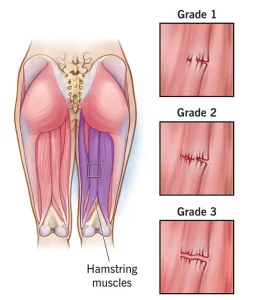
A hamstring injury is a strain or tear of one or more of the hamstring muscles located at the back of the thigh. These muscles play a key role in bending the knee and extending the hip. Hamstring injuries are common in athletes and physically active individuals, particularly in sports that involve sprinting, jumping, or sudden stops and starts. The severity can range from mild muscle strain to complete muscle rupture.
Symptoms
Symptoms of a hamstring injury usually occur suddenly during activity and vary based on the extent of the injury. Common symptoms include:
-
Sudden sharp pain in the back of the thigh
-
Tenderness or soreness in the affected area
-
Swelling or bruising
-
Muscle weakness
-
Difficulty walking, running, or bending the knee
-
Tightness or stiffness, especially after rest
Causes
Hamstring injuries occur when the muscles are stretched beyond their limit or forced to contract too strongly. Common causes include:
-
Sudden acceleration or sprinting
-
Rapid changes in direction
-
Inadequate warm-up before exercise
-
Muscle fatigue
-
Poor flexibility
-
Muscle imbalance between the hamstrings and quadriceps
Risk Factors
Several factors increase the risk of hamstring injury, including:
-
Participation in sports requiring speed and explosive movements
-
Previous hamstring injury
-
Poor flexibility or muscle strength
-
Inadequate conditioning or overtraining
-
Improper technique or footwear
Complications
Most hamstring injuries heal with appropriate care, but complications may occur if recovery is incomplete. Possible complications include:
-
Recurrent hamstring strains
-
Chronic pain or muscle tightness
-
Reduced athletic performance
-
Muscle weakness
-
Prolonged recovery time
Prevention
Hamstring injuries can often be prevented through proper training and conditioning. Preventive strategies include:
-
Performing proper warm-up and stretching exercises
-
Strengthening hamstring and core muscles
-
Gradually increasing training intensity
-
Allowing adequate rest and recovery
-
Using correct technique during sports and exercise
Early treatment and a structured rehabilitation program can help ensure full recovery and reduce the risk of future hamstring injuries.
Advertisement
