
Overview
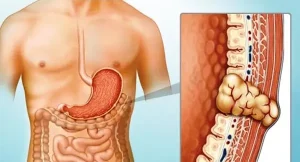
Gastrointestinal Stromal Tumor, commonly known as GIST, is a rare type of tumor that develops in the digestive tract, most often in the stomach or small intestine. It arises from specialized nerve cells in the gastrointestinal tract wall called interstitial cells of Cajal, which help regulate digestion. GISTs can range from slow-growing, nonaggressive tumors to fast-growing cancers that spread to other parts of the body.
Symptoms
Symptoms of GIST depend on the tumor’s size and location and may be mild or absent in early stages. Common symptoms include:
-
Abdominal pain or discomfort
-
A feeling of fullness after eating small amounts
-
Nausea or vomiting
-
Gastrointestinal bleeding, which may cause black stools or vomiting blood
-
Fatigue due to anemia
-
Unexplained weight loss
-
A noticeable abdominal mass in some cases
Some individuals may have no symptoms, and the tumor may be found during tests for other conditions.
Causes
GISTs are usually caused by genetic mutations that lead to uncontrolled cell growth in the digestive tract. Common causes include:
-
Mutations in KIT or PDGFRA genes
-
Abnormal signaling that promotes tumor growth
-
Rare inherited genetic syndromes
These mutations typically occur spontaneously and are not inherited in most cases.
Risk Factors
Several factors may increase the risk of developing a gastrointestinal stromal tumor, including:
-
Increasing age, especially over 50 years
-
Certain inherited genetic conditions
-
Family history of GIST, which is rare
-
Male sex, with slightly higher incidence in some populations
Most people with GIST do not have identifiable risk factors.
Complications
GISTs can lead to serious complications if not treated appropriately. Possible complications include:
-
Internal bleeding within the digestive tract
-
Bowel obstruction
-
Tumor rupture causing severe abdominal pain and infection
-
Spread of cancer to the liver or abdominal lining
-
Recurrence after treatment
Early detection and proper treatment help reduce the risk of complications.
Prevention
There is no proven way to prevent gastrointestinal stromal tumors, as most cases are linked to spontaneous genetic changes. However, general measures may support early detection:
-
Seeking medical evaluation for persistent abdominal pain or unexplained bleeding
-
Regular follow-up for individuals with known genetic risk factors
-
Timely investigation of anemia or unexplained weight loss
Early diagnosis improves treatment outcomes and long-term prognosis for individuals with GIST.
Request an appointment
Advertisement
