
Overview
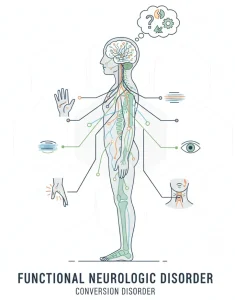
Functional neurologic disorder, also known as conversion disorder, is a condition in which people experience neurological symptoms that cannot be explained by structural damage or disease of the nervous system. The symptoms are real and can cause significant distress or impairment, even though standard neurological tests may appear normal. Functional neurologic disorder affects how the brain sends and receives signals rather than the structure of the brain or nerves.
Symptoms
Symptoms of functional neurologic disorder vary widely and may involve movement, sensation, or cognitive function:
-
Weakness or paralysis
-
Abnormal movements such as tremors or jerks
-
Difficulty walking or problems with balance
-
Seizure-like episodes without electrical brain abnormalities
-
Loss of sensation or numbness
-
Speech difficulties
-
Vision or hearing problems
Symptoms may come on suddenly, often after stress or emotional trauma.
Causes
The exact cause of functional neurologic disorder is not fully understood. It is believed to result from abnormal brain functioning related to how the brain processes thoughts, emotions, and physical sensations. Psychological stress, trauma, or emotional conflict may trigger symptoms, though not all individuals have identifiable stressors.
Risk Factors
Factors that may increase the risk of developing functional neurologic disorder include:
-
History of psychological trauma or stress
-
Anxiety or depressive disorders
-
Chronic pain or other neurological conditions
-
Female sex
-
Recent physical injury or illness
These factors may influence symptom development.
Complications
Functional neurologic disorder can lead to significant complications:
-
Impaired ability to work or perform daily activities
-
Reduced quality of life
-
Social or relationship difficulties
-
Coexisting anxiety or depression
-
Repeated medical evaluations or hospitalizations
Early recognition and appropriate treatment improve outcomes.
Prevention
There is no guaranteed way to prevent functional neurologic disorder, but certain strategies may reduce risk or severity:
-
Early management of stress and mental health conditions
-
Seeking prompt care for unexplained neurological symptoms
-
Maintaining open communication with healthcare providers
-
Engaging in supportive therapies when recommended
Timely diagnosis and a multidisciplinary approach can help individuals manage functional neurologic disorder effectively.
Advertisement
