
Overview
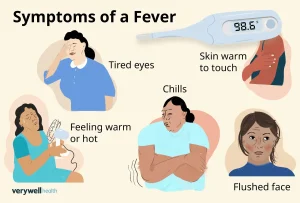
Fever is a temporary increase in body temperature, usually in response to an illness or infection. It is a natural defense mechanism that helps the body fight infections by making the environment less favorable for viruses and bacteria. In adults, a fever is generally defined as a body temperature of 38°C (100.4°F) or higher. Fever can affect people of all ages and may range from mild to high, depending on the underlying cause.
Symptoms
Symptoms associated with fever may vary based on its severity and cause:
-
Elevated body temperature
-
Chills or shivering
-
Sweating
-
Headache
-
Muscle aches
-
Fatigue or weakness
-
Loss of appetite
-
Dehydration
-
Irritability, especially in children
High or prolonged fever may be accompanied by more severe symptoms.
Causes
Fever occurs when the immune system responds to an infection or other trigger. The hypothalamus, which regulates body temperature, raises the body’s temperature in response to immune signals. Common causes include:
-
Viral infections such as the common cold or flu
-
Bacterial infections
-
Inflammatory conditions
-
Heat exhaustion or heatstroke
-
Certain medications or vaccines
-
Autoimmune disorders
In some cases, the exact cause of a fever may not be immediately identified.
Risk Factors
Factors that may increase the likelihood or impact of fever include:
-
Exposure to infectious agents
-
Weakened immune system
-
Chronic medical conditions
-
Young age or advanced age
-
Recent travel to areas with infectious diseases
-
Incomplete vaccination status
These factors may influence how severe or persistent a fever becomes.
Complications
Most fevers are harmless, but complications can occur if fever is high or prolonged:
-
Dehydration due to fluid loss
-
Febrile seizures in young children
-
Confusion or altered mental status
-
Worsening of underlying medical conditions
-
Organ damage in cases of extremely high fever
Prompt medical attention is important when fever is persistent or accompanied by concerning symptoms.
Prevention
Fever itself cannot always be prevented, but reducing the risk of infections can help:
-
Practicing good hand hygiene
-
Staying up to date with vaccinations
-
Avoiding close contact with sick individuals
-
Maintaining a healthy immune system through proper nutrition and rest
-
Seeking early treatment for infections
Monitoring body temperature and addressing underlying causes are key to managing fever and preventing related complications.
Advertisement
