
Overview
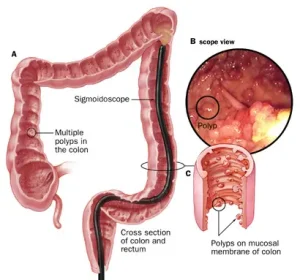
Familial Adenomatous Polyposis is a rare inherited disorder that causes the development of hundreds to thousands of adenomatous polyps in the colon and rectum, usually beginning in adolescence or early adulthood. If left untreated, these polyps have an almost 100 percent risk of progressing to colorectal cancer, often by middle age.
The condition is caused by a mutation in the APC gene and follows an autosomal dominant inheritance pattern. Early diagnosis and regular surveillance are critical for preventing cancer and managing complications.
Symptoms
Many individuals with Familial Adenomatous Polyposis have no symptoms in the early stages. As polyps increase in number and size, symptoms may develop, including:
-
Rectal bleeding
-
Chronic diarrhea or constipation
-
Abdominal pain or cramping
-
Unexplained weight loss
-
Anemia due to chronic blood loss
Some people may also develop polyps outside the colon, leading to symptoms in other parts of the body.
Causes
Familial Adenomatous Polyposis is caused by a mutation in the APC gene, which plays a key role in controlling cell growth in the colon lining. When this gene does not function properly, abnormal cell growth leads to the formation of numerous polyps.
The disorder is inherited from an affected parent in most cases, but new mutations can also occur without a family history.
Risk Factors
The primary risk factor for Familial Adenomatous Polyposis is having a parent or close family member with the condition. Additional factors that influence disease progression may include:
-
Inheriting a specific type of APC gene mutation
-
Lack of regular screening and surveillance
-
Delayed diagnosis or treatment
Both males and females are equally affected.
Complications
Familial Adenomatous Polyposis can lead to several serious complications, including:
-
Colorectal cancer at a young age
-
Duodenal and small intestine cancers
-
Desmoid tumors
-
Osteomas and dental abnormalities
-
Gastric polyps
-
Thyroid and liver cancers, particularly hepatoblastoma in children
Without preventive treatment, colorectal cancer is almost inevitable.
Prevention
Familial Adenomatous Polyposis cannot be prevented because it is genetic, but cancer and other complications can often be avoided or delayed with proper management:
-
Genetic counseling and testing for at-risk family members
-
Regular colonoscopic surveillance starting in childhood or adolescence
-
Preventive surgical removal of the colon when indicated
-
Ongoing screening for cancers outside the colon
-
Long-term medical follow-up with a multidisciplinary healthcare team
Early detection and proactive care significantly improve long-term outcomes for individuals with Familial Adenomatous Polyposis.
Advertisement
