
Overview
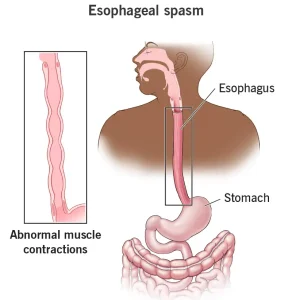
Esophageal spasms are abnormal, uncoordinated muscle contractions of the esophagus that interfere with the normal movement of food and liquids from the throat to the stomach. These spasms can cause chest pain and difficulty swallowing, sometimes mimicking symptoms of heart disease. Esophageal spasms may occur occasionally or become a chronic condition, affecting eating and quality of life.
Symptoms
Symptoms of esophageal spasms can vary in intensity and frequency. Common symptoms include:
-
Sudden chest pain that may be severe
-
Difficulty swallowing solids or liquids
-
Sensation of food getting stuck in the chest
-
Pain that may spread to the back, neck, or arms
-
Regurgitation of food or liquids
-
Heartburn or acid reflux symptoms
Chest pain should always be evaluated to rule out cardiac causes.
Causes
The exact cause of esophageal spasms is not always known. They are believed to result from abnormal nerve control of the esophageal muscles. Possible causes and triggers include:
-
Nerve dysfunction affecting esophageal movement
-
Gastroesophageal reflux disease
-
Anxiety or emotional stress
-
Very hot or very cold foods and beverages
-
Certain medications affecting muscle function
Multiple factors may contribute to symptom development.
Risk Factors
Several factors may increase the risk of developing esophageal spasms:
-
Long-standing acid reflux
-
Stress or anxiety disorders
-
Female gender
-
Middle age
-
Sensitivity to temperature extremes in food or drinks
These factors may increase susceptibility to abnormal esophageal contractions.
Complications
If esophageal spasms are frequent or severe, they can lead to complications:
-
Chronic swallowing difficulties
-
Weight loss due to reduced food intake
-
Persistent chest pain affecting daily activities
-
Worsening reflux symptoms
-
Reduced quality of life
Proper diagnosis helps distinguish esophageal spasms from other serious conditions.
Prevention
Esophageal spasms cannot always be prevented, but symptom frequency may be reduced with certain strategies:
-
Identifying and avoiding trigger foods or beverages
-
Managing acid reflux effectively
-
Eating slowly and chewing food thoroughly
-
Reducing stress through relaxation techniques
-
Following medical advice for ongoing symptoms
Early evaluation and targeted management can help control esophageal spasms and prevent complications.
Advertisement
