
Overview
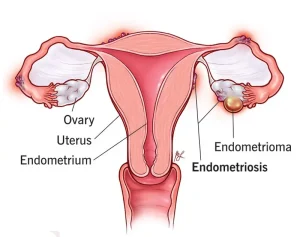
Endometriosis is a chronic gynecological condition in which tissue similar to the lining of the uterus grows outside the uterus. These growths commonly affect the ovaries, fallopian tubes, pelvic lining, and sometimes the intestines or bladder. Because this tissue responds to hormonal changes during the menstrual cycle, it can cause inflammation, pain, and scarring. Endometriosis is a common cause of pelvic pain and infertility, especially in women of reproductive age.
Symptoms
Symptoms of endometriosis can vary widely, and some individuals may experience severe symptoms while others have mild or no symptoms. Common signs include:
-
Painful menstrual cramps that may worsen over time
-
Chronic pelvic pain before or after periods
-
Pain during or after sexual intercourse
-
Painful bowel movements or urination during menstruation
-
Heavy menstrual bleeding or bleeding between periods
-
Fatigue, bloating, or nausea during periods
-
Difficulty conceiving or infertility
Symptoms often improve after menopause but may persist in some cases.
Causes
The exact cause of endometriosis is not fully understood, and several theories exist. Possible contributing factors include:
-
Retrograde menstruation, where menstrual blood flows backward into the pelvic cavity
-
Hormonal and immune system dysfunction
-
Genetic predisposition
-
Surgical procedures that may spread endometrial-like cells
-
Abnormal transformation of cells outside the uterus into endometrial-like tissue
No single cause explains all cases, and the condition is likely influenced by multiple factors.
Risk Factors
Certain factors may increase the risk of developing endometriosis:
-
Family history of endometriosis
-
Early onset of menstruation
-
Short menstrual cycles
-
Heavy or prolonged menstrual periods
-
Never having given birth
-
Low body mass index
-
Structural abnormalities of the reproductive tract
These factors can increase exposure to menstrual flow and hormonal fluctuations.
Complications
If left untreated, endometriosis can lead to several complications:
-
Infertility due to scarring or blockage of reproductive organs
-
Chronic pelvic pain affecting daily activities and quality of life
-
Formation of ovarian cysts known as endometriomas
-
Adhesions that cause organs to stick together
-
Emotional distress, anxiety, or depression related to chronic pain
Early diagnosis and management can help reduce the severity of complications.
Prevention
There is no guaranteed way to prevent endometriosis, but certain strategies may help lower the risk or reduce symptom severity:
-
Managing estrogen levels through medical guidance
-
Regular physical activity to support hormonal balance
-
Using hormonal contraceptives when recommended by a healthcare provider
-
Early evaluation of persistent pelvic pain or menstrual abnormalities
-
Maintaining overall reproductive and hormonal health
Timely medical attention and symptom awareness are essential for managing endometriosis effectively.
Advertisement
