
Overview
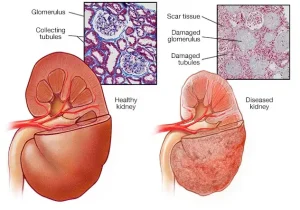
End-stage renal disease is the final stage of chronic kidney disease, in which the kidneys have lost nearly all of their ability to function effectively. At this stage, the kidneys can no longer filter waste products, excess fluids, and electrolytes from the blood well enough to sustain life without treatment. End-stage renal disease requires long-term dialysis or a kidney transplant to replace lost kidney function.
Symptoms
Symptoms of end-stage renal disease often develop gradually as kidney function declines and may become severe over time. Common symptoms include:
-
Persistent fatigue and weakness
-
Swelling of the legs, ankles, feet, face, or hands
-
Shortness of breath due to fluid buildup
-
Nausea, vomiting, or loss of appetite
-
Changes in urination patterns
-
Muscle cramps or twitching
-
Itching and dry skin
-
Difficulty concentrating or confusion
Causes
End-stage renal disease results from long-standing conditions that cause progressive kidney damage. Common causes include:
-
Diabetes mellitus
-
High blood pressure
-
Chronic glomerulonephritis
-
Polycystic kidney disease
-
Recurrent kidney infections
-
Prolonged obstruction of the urinary tract
Risk Factors
Several factors increase the risk of developing end-stage renal disease, including:
-
Poorly controlled diabetes or hypertension
-
Family history of kidney disease
-
Older age
-
Obesity
-
Smoking
-
Long-term use of certain medications that affect kidney function
Complications
Without appropriate treatment, end-stage renal disease can lead to serious and life-threatening complications. Possible complications include:
-
Severe fluid overload and pulmonary edema
-
Dangerous electrolyte imbalances
-
Cardiovascular disease and heart failure
-
Anemia
-
Bone and mineral disorders
-
Increased risk of infections
-
Reduced quality of life and premature death
Prevention
While end-stage renal disease cannot always be prevented, the risk can be significantly reduced by slowing the progression of chronic kidney disease. Preventive measures include:
-
Strict control of blood sugar and blood pressure
-
Regular monitoring of kidney function in high-risk individuals
-
Following a kidney-friendly diet as recommended
-
Avoiding unnecessary use of medications harmful to the kidneys
-
Maintaining a healthy weight and active lifestyle
-
Quitting smoking
Early detection and proper management of kidney disease are key to preventing progression to end-stage renal disease and improving long-term outcomes.
Advertisement
