
Overview
Escherichia coli, commonly known as E. coli, is a group of bacteria that normally live in the intestines of healthy people and animals. Most types of E. coli are harmless and even help keep the digestive system healthy. However, some strains can cause serious illness, particularly those that produce toxins affecting the intestines.
Harmful E. coli infections are a common cause of foodborne illness. They can lead to digestive symptoms ranging from mild diarrhea to severe abdominal pain and life-threatening complications. Infection usually occurs after consuming contaminated food or water or through contact with infected people or animals.
While many people recover from an E. coli infection without treatment, some cases require medical care. Young children, older adults, and people with weakened immune systems are at higher risk of severe illness.
Symptoms
Symptoms of an E. coli infection usually begin a few days after exposure, though the timing can vary depending on the strain involved.
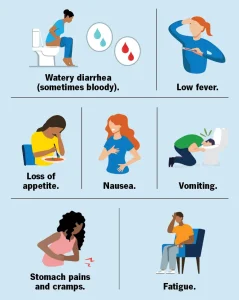
Common symptoms include:
-
Diarrhea, which may be watery or bloody
-
Severe stomach cramps
-
Abdominal pain and tenderness
-
Nausea and vomiting
-
Fatigue
-
Low-grade fever in some cases
In mild infections, symptoms may resolve on their own within a few days. More severe infections can cause intense pain, dehydration, and bloody stools, requiring prompt medical attention.
Causes
E. coli infection is caused by ingesting harmful strains of the bacteria. These bacteria can enter the body through contaminated food, water, or direct contact with infected sources.
Common causes include:
-
Eating undercooked or raw meat, especially ground beef
-
Drinking unpasteurized milk or juice
-
Consuming raw fruits or vegetables contaminated during growing or processing
-
Drinking or swimming in contaminated water
-
Poor hand hygiene after using the bathroom or handling animals
-
Cross-contamination in kitchens, such as using the same cutting board for raw meat and other foods
Once ingested, harmful E. coli strains attach to the intestinal lining and release toxins that damage the gut, leading to inflammation and diarrhea.
Risk factors
Certain factors increase the risk of developing an E. coli infection or experiencing more severe illness:
-
Young age, especially infants and young children
-
Older age
-
Weakened immune system due to illness or medications
-
Traveling to areas with poor sanitation or unsafe water supplies
-
Eating raw or undercooked foods
-
Close contact with farm animals or visiting petting zoos
-
Living or working in group settings such as daycare centers or nursing homes
These factors can increase exposure to the bacteria or reduce the body’s ability to fight infection.
Complications
Most people recover fully from an E. coli infection, but serious complications can occur, particularly with toxin-producing strains.
Possible complications include:
-
Severe dehydration due to prolonged diarrhea and vomiting
-
Hemolytic uremic syndrome, a serious condition that can lead to kidney failure, especially in children
-
Anemia caused by the destruction of red blood cells
-
Low platelet counts, increasing the risk of bleeding
-
Long-term kidney damage
-
In rare cases, death
Early recognition and proper medical care can help reduce the risk of these complications.
Prevention
Preventing E. coli infection focuses on safe food handling, good hygiene, and clean water practices.
Key prevention measures include:
-
Washing hands thoroughly with soap and water, especially after using the bathroom or handling raw meat
-
Cooking meat thoroughly, particularly ground beef
-
Avoiding unpasteurized milk, juice, and dairy products
-
Washing fruits and vegetables before eating
-
Preventing cross-contamination by using separate utensils and cutting boards for raw meat
-
Drinking treated or bottled water when traveling to areas with unsafe water
-
Supervising children closely around farm animals and ensuring proper handwashing afterward
Following these steps can significantly reduce the risk of E. coli infection and help protect overall digestive health.
Advertisement
