
Overview
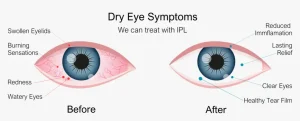
Dry eyes, also known as dry eye disease, is a common condition that occurs when the eyes do not produce enough tears or when tears evaporate too quickly. Tears are essential for maintaining eye health, comfort, and clear vision. When the tear film is disrupted, the eyes may become irritated, inflamed, and uncomfortable. Dry eyes can be temporary or chronic and may affect one or both eyes.
Symptoms
Symptoms of dry eyes can range from mild irritation to significant discomfort and visual disturbance:
-
Stinging, burning, or scratchy sensation in the eyes
-
Redness or irritation
-
Sensitivity to light
-
Blurred vision that improves with blinking
-
A feeling of something in the eye
-
Eye fatigue, especially after reading or screen use
-
Watery eyes, which may occur as a reflex response to dryness
Symptoms often worsen in dry, windy, or air-conditioned environments.
Causes
Dry eyes develop due to an imbalance in tear production, composition, or drainage. Common causes include:
-
Reduced tear production due to aging or certain medical conditions
-
Increased tear evaporation from eyelid or blink problems
-
Prolonged screen use leading to reduced blinking
-
Environmental factors such as dry air, smoke, or wind
-
Use of contact lenses
-
Side effects of medications including antihistamines, antidepressants, and blood pressure drugs
-
Hormonal changes, particularly in older adults
Risk Factors
Several factors increase the likelihood of developing dry eyes:
-
Advancing age
-
Female sex, especially during hormonal changes
-
Long hours of screen or digital device use
-
Contact lens wear
-
Autoimmune diseases such as rheumatoid arthritis or Sjögren’s syndrome
-
Living or working in dry or polluted environments
Complications
If dry eyes are left untreated, complications may occur:
-
Chronic eye inflammation
-
Increased risk of eye infections
-
Damage to the surface of the eye
-
Difficulty performing daily activities due to visual discomfort
-
Reduced quality of life
Early management helps prevent long-term damage to the eyes.
Prevention
While dry eyes cannot always be completely prevented, certain measures can reduce symptoms and protect eye health:
-
Taking regular breaks during screen use and blinking consciously
-
Using a humidifier to add moisture to indoor air
-
Protecting eyes from wind and dry air with glasses or sunglasses
-
Staying well hydrated
-
Following proper contact lens hygiene
-
Reviewing medications with a healthcare provider if dryness develops
Regular eye examinations can help identify dry eyes early and guide appropriate treatment.
Request an appointment
Advertisement
