
Overview
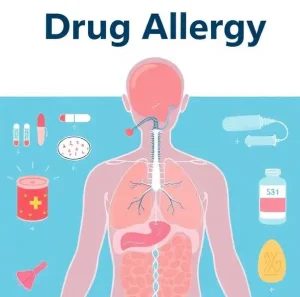
Drug allergy is an abnormal immune system reaction to a medication. Unlike side effects, which are known and predictable reactions, a drug allergy occurs when the immune system mistakenly identifies a drug as harmful and triggers an allergic response. Drug allergies can range from mild skin reactions to severe, life-threatening conditions and may develop even if the medication was previously tolerated.
Symptoms
Symptoms of a drug allergy can appear within minutes, hours, or days after taking a medication and may vary in severity:
-
Skin rash, redness, or itching
-
Hives or raised welts on the skin
-
Swelling of the lips, tongue, face, or throat
-
Shortness of breath or wheezing
-
Fever or flu-like symptoms
-
Nausea, vomiting, or abdominal pain
-
Severe reactions such as anaphylaxis, which may include dizziness, rapid heartbeat, or loss of consciousness
Symptoms should be taken seriously, especially if breathing difficulty or swelling occurs.
Causes
Drug allergy occurs when the immune system overreacts to a medication or its byproducts. The body produces antibodies or activates immune cells that release chemicals such as histamine, leading to allergic symptoms. Common drugs associated with allergic reactions include antibiotics, particularly penicillin, nonsteroidal anti-inflammatory drugs, certain anticonvulsants, and chemotherapy agents. The exact reason why some individuals develop drug allergies is not always clear.
Risk Factors
Factors that may increase the risk of developing a drug allergy include:
-
A personal or family history of drug allergies
-
Frequent or prolonged use of certain medications
-
Having other allergies or asthma
-
Certain viral infections
-
Use of multiple medications at the same time
These factors increase susceptibility but do not guarantee an allergic reaction.
Complications
Drug allergies can lead to serious complications if not promptly recognized and managed:
-
Anaphylaxis, a medical emergency requiring immediate treatment
-
Severe skin reactions such as Stevens-Johnson syndrome or toxic epidermal necrolysis
-
Organ inflammation affecting the liver, kidneys, or lungs
-
Prolonged hospitalization or delayed treatment of the underlying illness
Accurate diagnosis and documentation are essential to prevent repeat exposure.
Prevention
While it may not be possible to prevent a first-time drug allergy, steps can reduce the risk of future reactions:
-
Informing healthcare providers about known drug allergies
-
Wearing medical alert identification if a severe allergy exists
-
Avoiding medications that previously caused an allergic reaction
-
Using alternative drugs when available
-
Careful monitoring when starting a new medication, especially in high-risk individuals
Clear communication and proper medical records play a key role in preventing serious drug allergy reactions.
Request an appointment
Advertisement
