
Overview
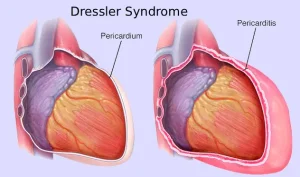
Dressler syndrome is an inflammatory condition that affects the sac surrounding the heart, known as the pericardium. It typically develops weeks to months after injury to the heart muscle, most commonly following a heart attack, heart surgery, or chest trauma. The condition is believed to result from an autoimmune response in which the body’s immune system reacts to damaged heart tissue, leading to pericardial inflammation.
Symptoms
Symptoms of Dressler syndrome often resemble those of other forms of pericarditis and may vary in intensity:
-
Sharp or stabbing chest pain that may worsen with deep breathing or lying down
-
Chest pain that improves when sitting up or leaning forward
-
Fever or a general feeling of illness
-
Shortness of breath, especially when lying flat
-
Fatigue or weakness
-
Pain in the shoulders, neck, or upper back
Symptoms usually appear several weeks after the initial heart injury rather than immediately.
Causes
Dressler syndrome occurs as a delayed immune response following damage to heart tissue. After events such as a myocardial infarction or heart surgery, the immune system may mistakenly attack components of the pericardium. This immune-mediated inflammation leads to fluid accumulation and irritation of the pericardial layers. The condition is not caused by ongoing infection or persistent blockage of heart arteries.
Risk Factors
Factors that may increase the likelihood of developing Dressler syndrome include:
-
A history of heart attack
-
Recent cardiac surgery, such as bypass surgery or valve repair
-
Chest trauma involving the heart
-
Inadequate treatment of early pericardial inflammation
-
Larger extent of heart muscle damage
The condition is less common today due to advances in early heart attack treatment.
Complications
If not properly managed, Dressler syndrome can lead to complications:
-
Pericardial effusion, which is excess fluid around the heart
-
Cardiac tamponade, a serious condition where fluid buildup impairs heart function
-
Chronic or recurrent pericarditis
-
Reduced exercise tolerance due to ongoing chest discomfort or shortness of breath
Prompt medical evaluation helps reduce the risk of these outcomes.
Prevention
There is no guaranteed way to completely prevent Dressler syndrome, but certain measures may lower the risk:
-
Early and effective treatment of heart attacks
-
Adherence to prescribed medications after cardiac events or surgery
-
Regular follow-up with a healthcare provider after heart injury
-
Prompt evaluation of chest pain or fever following cardiac procedures
Early recognition and appropriate management are key to preventing complications and ensuring recovery from Dressler syndrome.
Advertisement
