
Overview
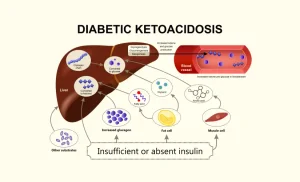
Diabetic ketoacidosis is a serious and potentially life-threatening complication of diabetes that occurs when the body does not have enough insulin to allow glucose into cells for energy. As a result, the body begins to break down fat, producing acids called ketones that accumulate in the blood. This condition is most commonly associated with type 1 diabetes but can also occur in type 2 diabetes under certain circumstances.
Symptoms
Symptoms of diabetic ketoacidosis often develop rapidly and worsen over time:
-
High blood sugar levels
-
Excessive thirst
-
Frequent urination
-
Nausea and vomiting
-
Abdominal pain
-
Rapid or deep breathing
-
Fruity-smelling breath
-
Fatigue or weakness
-
Confusion or difficulty concentrating
Causes
Diabetic ketoacidosis occurs when insulin levels are insufficient:
-
Missed insulin doses
-
Undiagnosed diabetes
-
Severe infections or illness
-
Physical or emotional stress
-
Malfunction of insulin delivery devices
-
Certain medications that affect insulin action
Risk Factors
Several factors increase the risk of developing diabetic ketoacidosis:
-
Type 1 diabetes
-
Poor adherence to insulin therapy
-
Acute infections
-
High levels of physical or emotional stress
-
Substance abuse
-
Previous episodes of diabetic ketoacidosis
Complications
If not treated promptly, diabetic ketoacidosis can result in severe complications:
-
Severe dehydration
-
Electrolyte imbalances
-
Brain swelling
-
Kidney failure
-
Cardiac arrhythmias
-
Shock
-
Increased risk of death
Prevention
Preventive measures focus on proper diabetes management and early detection:
-
Taking insulin as prescribed
-
Monitoring blood glucose and ketone levels regularly
-
Seeking early medical care during illness
-
Staying well hydrated
-
Recognizing early symptoms of ketoacidosis
-
Educating patients and caregivers on emergency management
Request an appointment
Advertisement
