
Overview
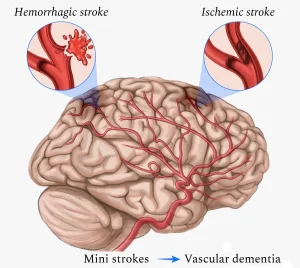
Dementia is a progressive neurological condition characterized by a decline in cognitive function severe enough to interfere with daily life and independence. It affects memory, thinking, reasoning, behavior, and the ability to perform everyday activities. Dementia is not a single disease but a broad term encompassing various disorders, with Alzheimer’s disease being the most common cause. It primarily affects older adults, though it is not a normal part of aging.
Symptoms
Symptoms of dementia develop gradually and worsen over time:
-
Memory loss, especially recent events
-
Difficulty with planning, problem-solving, or decision-making
-
Confusion about time, place, or familiar people
-
Language problems, such as difficulty finding words
-
Impaired judgment and reasoning
-
Changes in mood, personality, or behavior
-
Difficulty performing familiar tasks
-
Withdrawal from social activities
Causes
Dementia results from damage to brain cells that interferes with their ability to communicate:
-
Alzheimer’s disease
-
Vascular dementia due to reduced blood flow to the brain
-
Lewy body dementia
-
Frontotemporal dementia
-
Traumatic brain injury
-
Infections or inflammatory brain conditions
-
Metabolic or nutritional deficiencies
Risk Factors
Several factors increase the risk of developing dementia:
-
Advanced age
-
Family history of dementia
-
Cardiovascular disease, including hypertension and diabetes
-
Smoking and excessive alcohol use
-
Low levels of physical or mental activity
-
History of stroke or head injury
-
Poor diet and obesity
Complications
Dementia can lead to significant physical, emotional, and social challenges:
-
Loss of independence
-
Increased risk of falls and injuries
-
Difficulty communicating needs
-
Behavioral disturbances such as agitation or aggression
-
Malnutrition and dehydration
-
Increased caregiver stress
-
Higher risk of infections
Prevention
While dementia cannot always be prevented, certain strategies may reduce risk or delay onset:
-
Engaging in regular physical activity
-
Maintaining a healthy, balanced diet
-
Managing blood pressure, cholesterol, and blood sugar
-
Staying mentally and socially active
-
Avoiding smoking and limiting alcohol intake
-
Protecting against head injuries
-
Seeking early medical evaluation for cognitive changes
Advertisement
