
Overview
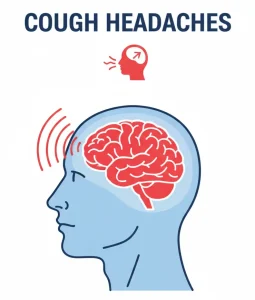
Cough headaches are headaches triggered by coughing, sneezing, laughing, bending, or straining. They are caused by sudden increases in pressure inside the skull. These headaches are uncommon and are classified as either primary or secondary. Primary cough headaches are harmless and not linked to underlying disease, while secondary cough headaches are associated with structural problems in the brain and require medical evaluation. Cough headaches are more common in adults over 40 and are usually short-lasting but can be intense.
Symptoms
Cough headache symptoms appear suddenly and are closely linked to actions that increase pressure in the chest or abdomen.
Typical symptoms include:
-
Sudden, sharp, or stabbing pain in the head
-
Pain triggered by coughing, sneezing, laughing, or straining
-
Headache lasting from a few seconds to several minutes
-
Pain often felt on both sides of the head
-
Headache that resolves quickly once the triggering action stops
In secondary cough headaches, symptoms may be more severe or prolonged and may occur with other neurological signs.
Causes
The cause of cough headaches depends on whether the condition is primary or secondary.
Primary cough headaches are believed to result from temporary pressure changes in the brain during coughing or straining, without an underlying structural problem.
Secondary cough headaches may be caused by:
-
Chiari malformation
-
Brain tumors
-
Brain aneurysms
-
Cerebrospinal fluid flow abnormalities
-
Structural defects at the base of the skull
Identifying the underlying cause is essential when headaches are persistent or severe.
Risk factors
Certain factors may increase the likelihood of developing cough headaches.
Risk factors include:
-
Age over 40
-
Chronic cough due to respiratory conditions
-
Obesity or conditions that increase intracranial pressure
-
History of brain abnormalities or neurological conditions
-
Frequent straining during bowel movements or heavy lifting
Secondary cough headaches are more likely in individuals with known brain or spinal conditions.
Complications
Primary cough headaches are generally benign and do not lead to long-term complications. Secondary cough headaches, however, may indicate serious underlying conditions.
Possible complications include:
-
Persistent or worsening headache pain
-
Delayed diagnosis of serious brain disorders
-
Neurological symptoms such as dizziness, balance problems, or vision changes
-
Reduced quality of life due to frequent pain episodes
Medical evaluation is important if headaches are severe, long-lasting, or accompanied by other symptoms.
Prevention
Preventing cough headaches focuses on managing triggers and underlying causes.
Preventive measures include:
-
Treating chronic coughs and respiratory infections promptly
-
Avoiding activities that cause excessive straining
-
Maintaining healthy bowel habits to reduce straining
-
Using proper breathing techniques during physical exertion
-
Seeking medical evaluation for recurrent or unexplained cough headaches
Early diagnosis and appropriate management can help reduce headache frequency and prevent complications.
Advertisement
