
Overview
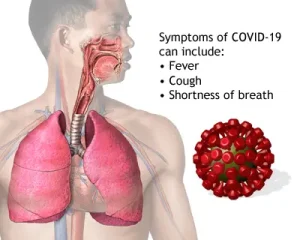
Coronavirus Disease 2019 (COVID-19) is an infectious respiratory illness caused by the SARS-CoV-2 virus. It was first identified in late 2019 and has since affected populations worldwide. COVID-19 primarily spreads through respiratory droplets and can range from mild illness to severe, life-threatening disease. While many people recover fully, some experience prolonged symptoms or complications.
Symptoms
Symptoms of COVID-19 vary widely in severity and may appear 2 to 14 days after exposure. Common symptoms include:
-
Fever or chills
-
Cough
-
Shortness of breath or difficulty breathing
-
Fatigue
-
Muscle or body aches
-
Headache
-
Loss of taste or smell
-
Sore throat
-
Nasal congestion or runny nose
-
Nausea, vomiting, or diarrhea
Causes
COVID-19 is caused by infection with the SARS-CoV-2 virus. The virus enters the body mainly through the nose, mouth, or eyes and infects cells in the respiratory tract. It spreads most commonly through close contact with an infected person, especially in crowded or poorly ventilated spaces. Transmission can occur even from individuals without noticeable symptoms.
Risk Factors
Certain factors increase the risk of severe illness from COVID-19:
-
Older age
-
Underlying medical conditions such as heart disease, lung disease, diabetes, or obesity
-
Weakened immune system
-
Pregnancy
-
Smoking
-
Lack of prior immunity through vaccination or previous infection
-
Living or working in crowded environments
Complications
COVID-19 can lead to a range of complications, particularly in severe cases:
-
Pneumonia and respiratory failure
-
Blood clots and stroke
-
Heart inflammation or rhythm disturbances
-
Kidney or liver injury
-
Neurological symptoms such as confusion or memory problems
-
Long COVID, with persistent symptoms lasting weeks or months
-
Increased risk of death in vulnerable populations
Prevention
Preventive measures help reduce the risk of COVID-19 infection and severe disease:
-
Staying up to date with recommended vaccinations
-
Practicing good hand hygiene
-
Wearing masks in high-risk or crowded settings when advised
-
Improving indoor ventilation
-
Avoiding close contact with people who are ill
-
Staying home and seeking medical advice when symptoms develop
Advertisement
