
Overview
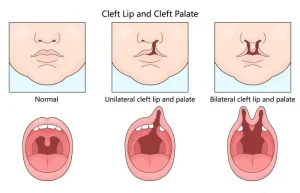
Cleft lip and cleft palate are congenital conditions that occur when a baby’s lip or the roof of the mouth does not form properly during early pregnancy. A cleft lip appears as an opening or split in the upper lip, while a cleft palate is an opening in the hard or soft palate of the mouth. These conditions may occur separately or together.
Cleft lip and cleft palate can affect feeding, speech, hearing, and dental development. With early diagnosis and coordinated medical and surgical care, most children with these conditions can achieve good functional and cosmetic outcomes.
Symptoms
The signs of cleft lip and cleft palate are usually visible at birth, although some palate clefts may be less obvious initially.
Common symptoms include:
-
Visible split or opening in the upper lip
-
Opening in the roof of the mouth
-
Difficulty feeding or poor weight gain in infants
-
Milk coming out of the nose during feeding
-
Frequent ear infections
-
Hearing problems
-
Speech and language difficulties
-
Dental abnormalities
The severity of symptoms depends on the size and location of the cleft.
Causes
Cleft lip and cleft palate occur due to incomplete fusion of facial structures during early fetal development. The exact cause is often unknown and may involve a combination of genetic and environmental factors.
Possible causes include:
-
Genetic inheritance or family history
-
Nutritional deficiencies during pregnancy, such as low folic acid
-
Maternal smoking or alcohol use
-
Certain medications taken during pregnancy
-
Maternal diabetes
-
Exposure to infections or environmental toxins during pregnancy
These conditions are not caused by anything done after birth.
Risk Factors
Several factors increase the risk of having a baby with cleft lip or cleft palate.
These include:
-
Family history of cleft conditions
-
Smoking or alcohol use during pregnancy
-
Poor maternal nutrition
-
Use of certain medications during pregnancy
-
Maternal diabetes
-
Lack of prenatal care
Both boys and girls can be affected, although cleft lip is more common in males.
Complications
Without proper treatment, cleft lip and cleft palate can lead to various complications affecting growth and development.
Possible complications include:
-
Feeding and nutrition problems
-
Speech and language delays
-
Hearing loss due to recurrent ear infections
-
Dental and orthodontic issues
-
Emotional or social challenges
-
Increased risk of respiratory infections
Most complications can be managed effectively with early and ongoing care.
Prevention
Not all cases of cleft lip and cleft palate can be prevented, but certain measures may reduce risk during pregnancy.
Preventive strategies include:
-
Taking folic acid supplements before and during pregnancy
-
Avoiding smoking, alcohol, and recreational drugs
-
Managing chronic medical conditions such as diabetes
-
Reviewing medication safety with a healthcare provider
-
Maintaining a balanced, nutritious diet
-
Attending regular prenatal checkups
Early diagnosis, often through prenatal ultrasound, and timely intervention can greatly improve outcomes for children born with cleft lip and cleft palate.
Advertisement
