
Overview
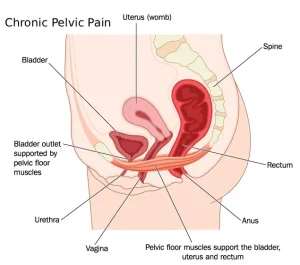
Chronic pelvic pain is a condition characterized by persistent pain in the lower abdomen or pelvic region that lasts for six months or longer. The pain may be constant or intermittent and can range from mild discomfort to severe, debilitating pain that interferes with daily activities, work, and emotional well-being.
Chronic pelvic pain is more common in women but can also affect men. It often results from a combination of gynecological, urological, gastrointestinal, musculoskeletal, or neurological factors, making diagnosis and management complex.
Symptoms
Symptoms of chronic pelvic pain vary widely depending on the underlying cause and individual sensitivity to pain.
Common symptoms include:
-
Persistent or recurring pain in the lower abdomen or pelvis
-
Dull, aching, sharp, or cramping pain
-
Pain that worsens during menstruation
-
Pain during or after sexual intercourse
-
Discomfort during urination or bowel movements
-
Lower back or hip pain
-
Pain that increases with prolonged sitting or standing
-
Fatigue and sleep disturbances
The pain may be localized to one area or spread across the pelvic region.
Causes
Chronic pelvic pain may be caused by one or more underlying medical conditions, and in some cases, no single cause can be identified.
Possible causes include:
-
Endometriosis
-
Pelvic inflammatory disease
-
Uterine fibroids
-
Ovarian cysts
-
Interstitial cystitis
-
Irritable bowel syndrome
-
Musculoskeletal problems affecting pelvic floor muscles
-
Nerve-related pain
-
Previous pelvic surgery or trauma
Often, both physical and psychological factors contribute to ongoing pain.
Risk Factors
Several factors increase the likelihood of developing chronic pelvic pain.
These include:
-
History of pelvic infections or inflammation
-
Endometriosis or fibroids
-
Previous pelvic surgery
-
Painful menstrual periods
-
History of physical or emotional trauma
-
High stress or anxiety levels
-
Irritable bowel syndrome or bladder disorders
Chronic pelvic pain can affect individuals of all ages.
Complications
Long-term pelvic pain can have a significant impact on physical, emotional, and social health.
Possible complications include:
-
Difficulty performing daily activities
-
Reduced work productivity
-
Sexual dysfunction
-
Anxiety or depression
-
Sleep problems
-
Relationship stress
-
Dependence on pain medications
Early evaluation and multidisciplinary care can help reduce these complications.
Prevention
Not all cases of chronic pelvic pain can be prevented, especially when related to conditions that cannot be fully avoided. However, certain measures may help reduce risk or severity.
Preventive strategies include:
-
Seeking early treatment for pelvic infections
-
Managing menstrual and gynecological conditions promptly
-
Practicing safe sexual behaviors
-
Maintaining good posture and core muscle strength
-
Managing stress through relaxation techniques
-
Attending regular medical and gynecological checkups
Timely diagnosis and a personalized treatment approach can improve symptom control and overall quality of life for individuals with chronic pelvic pain.
Advertisement
