
Overview
Chronic Lymphocytic Leukemia (CLL) is a slow-growing cancer of the blood and bone marrow that primarily affects a type of white blood cell called lymphocytes. In CLL, abnormal lymphocytes accumulate over time, crowding out healthy blood cells and impairing normal immune function.
CLL is one of the most common types of leukemia in adults and is typically diagnosed in older individuals. Many people with CLL may not have noticeable symptoms at the time of diagnosis, and the disease may be discovered during routine blood tests.
Symptoms
Symptoms of Chronic Lymphocytic Leukemia often develop gradually and may be mild or absent in the early stages.
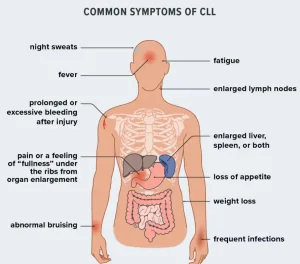
Common symptoms include:
-
Persistent fatigue and weakness
-
Swollen lymph nodes in the neck, armpits, or groin
-
Frequent infections
-
Unexplained weight loss
-
Fever without obvious infection
-
Night sweats
-
Enlarged spleen or liver, which may cause abdominal discomfort
-
Easy bruising or bleeding
-
Shortness of breath
Some individuals remain symptom-free for years.
Causes
The exact cause of Chronic Lymphocytic Leukemia is not fully understood. It occurs when genetic changes cause lymphocytes to grow and survive longer than normal.
Possible contributing factors include:
-
Genetic mutations acquired over time
-
Abnormal regulation of lymphocyte growth and death
-
Immune system dysfunction
CLL is not caused by lifestyle factors and is not contagious.
Risk Factors
Certain factors may increase the risk of developing Chronic Lymphocytic Leukemia.
These include:
-
Older age, with most cases occurring in people over 60
-
Male sex
-
Family history of CLL or other blood cancers
-
Exposure to certain chemicals, such as herbicides or pesticides
-
Weakened immune system
Despite these factors, many people with CLL have no identifiable risk factors.
Complications
Chronic Lymphocytic Leukemia can lead to several complications, particularly as the disease progresses.
Possible complications include:
-
Increased susceptibility to infections
-
Anemia or low platelet counts
-
Autoimmune disorders affecting blood cells
-
Enlarged lymph nodes or spleen causing discomfort
-
Transformation into a more aggressive lymphoma, known as Richter syndrome
Ongoing monitoring is essential to detect complications early.
Prevention
There is no known way to prevent Chronic Lymphocytic Leukemia because its exact cause is unclear and many risk factors are not modifiable.
General health measures that may support overall well-being include:
-
Avoiding unnecessary exposure to harmful chemicals
-
Maintaining a healthy immune system through balanced nutrition
-
Staying physically active
-
Attending regular medical checkups
-
Seeking prompt medical attention for persistent or unusual symptoms
Early diagnosis and appropriate management can help many individuals with Chronic Lymphocytic Leukemia maintain a good quality of life for extended periods.
Advertisement
