
Overview
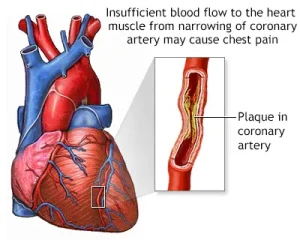
Chest pain is a common symptom that can range from mild discomfort to severe, life-threatening pain. It may originate from the heart, lungs, digestive system, muscles, bones, or nerves. While some causes of chest pain are harmless, others, such as heart attack or pulmonary embolism, require immediate medical attention. Because chest pain has many possible causes, proper evaluation is essential to determine its seriousness and underlying source.
Symptoms
Chest pain can present in different ways depending on the cause and affected body system.
Common symptoms include:
-
Pressure, tightness, or squeezing sensation in the chest
-
Sharp, stabbing, or burning pain
-
Pain that spreads to the arms, neck, jaw, back, or shoulders
-
Discomfort that worsens with movement or deep breathing
Other associated symptoms may include:
-
Shortness of breath
-
Nausea or vomiting
-
Dizziness or lightheadedness
-
Sweating
-
Palpitations
-
Fatigue or weakness
Causes
Chest pain can arise from various conditions involving different organs and tissues.
Major causes include:
-
Heart-related conditions such as angina or heart attack
-
Lung conditions such as pneumonia, pleurisy, or pulmonary embolism
-
Digestive disorders such as acid reflux or esophageal spasm
-
Musculoskeletal issues such as muscle strain or rib injury
-
Anxiety or panic attacks
-
Nerve-related pain
Identifying the cause often requires medical assessment, especially when symptoms are sudden or severe.
Risk Factors
Certain factors increase the likelihood of developing serious causes of chest pain.
Key risk factors include:
-
History of heart disease
-
High blood pressure or high cholesterol
-
Smoking or tobacco use
-
Diabetes
-
Obesity and physical inactivity
-
Family history of cardiovascular disease
-
High stress or anxiety levels
The presence of risk factors increases concern for cardiac-related chest pain.
Complications
Complications depend on the underlying cause of chest pain and how quickly treatment is provided.
Possible complications include:
-
Heart attack or heart failure
-
Cardiac arrhythmias
-
Respiratory failure
-
Collapse of a lung
-
Chronic pain or disability
-
Death in severe untreated cases
Early diagnosis and treatment significantly reduce the risk of serious outcomes.
Prevention
Preventing chest pain focuses on reducing risk factors and maintaining overall cardiovascular and respiratory health.
Preventive strategies include:
-
Managing blood pressure, cholesterol, and blood sugar levels
-
Avoiding smoking and limiting alcohol intake
-
Maintaining a healthy diet and regular exercise routine
-
Managing stress through relaxation techniques
-
Treating underlying medical conditions promptly
-
Seeking immediate medical care for unexplained or severe chest pain
Awareness of warning signs and timely medical evaluation are essential to preventing life-threatening complications related to chest pain.
Advertisement
