
Overview
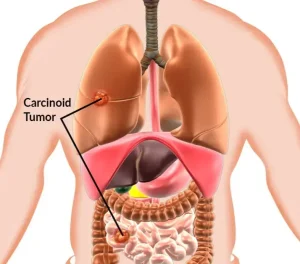
Carcinoid tumors are a type of slow-growing neuroendocrine tumor that arise from hormone-producing cells of the neuroendocrine system. They most commonly develop in the gastrointestinal tract, particularly the small intestine, appendix, and rectum, as well as in the lungs. These tumors may remain asymptomatic for years and are often discovered incidentally. Some carcinoid tumors produce hormones and chemical substances that can lead to systemic symptoms, especially in advanced stages.
Symptoms
Many carcinoid tumors do not cause symptoms in their early stages. When symptoms occur, they often depend on the tumor’s location and whether it releases hormones into the bloodstream.
Common symptoms include:
-
Abdominal pain or discomfort
-
Changes in bowel habits
-
Unexplained weight loss
-
Nausea or bloating
Hormone-related symptoms may include:
-
Flushing of the face and upper chest
-
Diarrhea
-
Wheezing or shortness of breath
-
Rapid heartbeat
These hormone-related symptoms are more commonly seen when the tumor has spread beyond its original site.
Causes
The exact cause of carcinoid tumors is not fully understood. They develop due to abnormal growth of neuroendocrine cells that regulate hormone release.
Possible contributing causes include:
-
Genetic mutations affecting cell growth
-
Dysregulation of hormone-producing cells
-
Unknown environmental or biological factors
In most cases, carcinoid tumors develop sporadically without a clear inherited pattern.
Risk Factors
Certain factors increase the risk of developing carcinoid tumors.
Key risk factors include:
-
Increasing age
-
Family history of neuroendocrine tumors
-
Certain inherited conditions
-
Chronic stomach conditions that affect acid production
-
Smoking, particularly for lung carcinoid tumors
Risk factors vary depending on the tumor’s location.
Complications
Carcinoid tumors can lead to complications, especially when they grow, spread, or produce hormones.
Possible complications include:
-
Carcinoid syndrome due to hormone release
-
Bowel obstruction
-
Bleeding in the gastrointestinal tract
-
Spread of cancer to the liver or other organs
-
Carcinoid heart disease in advanced cases
Complications may develop gradually and require long-term medical management.
Prevention
There is no proven method to prevent carcinoid tumors, but early detection and regular monitoring can improve outcomes.
Preventive strategies include:
-
Awareness of persistent or unexplained symptoms
-
Regular medical follow-up for high-risk individuals
-
Managing underlying gastrointestinal conditions
-
Avoiding tobacco use
Timely diagnosis and appropriate treatment play a crucial role in reducing complications and improving quality of life for individuals with carcinoid tumors.
Advertisement
