
Overview
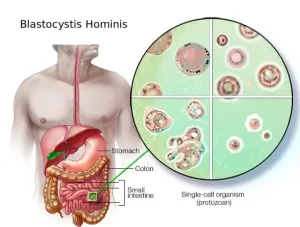
Blastocystis hominis is a microscopic organism that lives in the digestive tract. It is one of the most common intestinal parasites found in humans worldwide. In many people, Blastocystis hominis does not cause symptoms and is discovered incidentally during stool testing. In others, it may be associated with gastrointestinal discomfort.
The role of Blastocystis hominis in causing disease is not fully understood. Some experts consider it a harmless organism in healthy individuals, while others believe it can contribute to digestive symptoms, especially in people with weakened immune systems.
Symptoms
Many individuals infected with Blastocystis hominis have no symptoms. When symptoms do occur, they may include:
-
Diarrhea
-
Abdominal pain or cramps
-
Bloating
-
Excessive gas
-
Nausea
-
Fatigue
-
Loss of appetite
Symptoms can range from mild to persistent and may come and go over time.
Causes
Blastocystis hominis infection occurs when the organism enters the body through the digestive tract. This usually happens by ingesting contaminated food or water or through poor hygiene practices.
Common sources include:
-
Drinking untreated or contaminated water
-
Eating food prepared under unsanitary conditions
-
Poor hand hygiene, especially after using the toilet
-
Close contact with infected people or animals
The organism is spread through the fecal-oral route.
Risk factors
Certain factors increase the likelihood of infection or symptoms related to Blastocystis hominis, including:
-
Living in or traveling to areas with poor sanitation
-
Drinking untreated water
-
Weakened immune system
-
Poor personal hygiene
-
Close contact with infected individuals
Children and people in crowded living conditions may be at higher risk.
Complications
Blastocystis hominis usually does not cause serious complications. However, in some cases it may be associated with:
-
Chronic or recurrent diarrhea
-
Ongoing abdominal discomfort
-
Worsening symptoms in people with weakened immunity
-
Reduced quality of life due to persistent digestive issues
Severe complications are rare.
Prevention
Preventing Blastocystis hominis infection focuses on good hygiene and safe food and water practices. Preventive measures include:
-
Washing hands thoroughly with soap and water
-
Drinking clean, treated, or boiled water
-
Washing fruits and vegetables before eating
-
Avoiding food from unhygienic sources
-
Practicing good sanitation, especially while traveling
Good hygiene and safe eating habits greatly reduce the risk of infection and transmission.
Advertisement
