
Overview
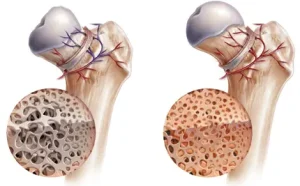
Avascular necrosis is the death of bone tissue due to a lack of blood supply. Also called osteonecrosis, it can cause tiny breaks in the bone and eventually lead to bone collapse. The process can take months or even years.
Blood flow to a bone can be interrupted by a broken bone or dislocated joint. Long-term use of high-dose steroid medicines and excessive alcohol consumption are also associated with avascular necrosis. Anyone can be affected, but it most commonly occurs in people aged 30 to 50.
Symptoms
Early stages of avascular necrosis may not cause symptoms. As the condition progresses, pain may develop in affected joints:
-
Pain occurs only when putting weight on the joint initially, later occurring even when lying down
-
Pain can be mild or severe and usually develops gradually
-
Hip pain may be felt in the groin, thigh, or buttock
-
Other commonly affected joints include the shoulder, knee, hand, and foot
-
Some people develop avascular necrosis on both sides, such as both hips or knees
When to see a doctor
See a healthcare professional for ongoing joint pain. Seek immediate medical attention for suspected broken bones or dislocated joints.
Causes
Avascular necrosis occurs when blood flow to a bone is reduced or interrupted. Causes include:
-
Joint or bone trauma, such as a dislocated joint that damages nearby blood vessels
-
Cancer treatments involving radiation, which can weaken bones and damage blood vessels
-
Fatty deposits (lipids) in blood vessels, which reduce blood flow to bones
-
Medical conditions such as sickle cell anemia, lupus, antiphospholipid syndrome, and Gaucher disease
-
Sometimes, the cause is unclear, likely involving genetics, alcohol overuse, medications, and other diseases
Risk factors
Factors that increase the risk of avascular necrosis include:
-
Trauma, including hip dislocations or fractures
-
High-dose corticosteroid use, such as prednisone, which may increase lipid levels in the blood
-
Excessive alcohol consumption over several years
-
Long-term use of bisphosphonates for bone density, particularly at high doses in cancer treatment
-
Certain medical treatments, such as radiation therapy or organ transplants
-
Associated medical conditions:
-
Pancreatitis
-
Gaucher disease
-
HIV/AIDS
-
Systemic lupus erythematosus
-
Sickle cell anemia
-
Decompression sickness
-
Certain cancers, including leukemia
-
Complications
If untreated, avascular necrosis can worsen, leading to:
-
Bone collapse
-
Loss of smooth bone shape
-
Early and severe arthritis
Prevention
To reduce the risk of avascular necrosis and support bone health:
-
Limit alcohol consumption
-
Keep cholesterol levels low to prevent fat from blocking blood flow
-
Monitor steroid use and inform your healthcare professional of past or current high-dose steroid treatments
-
Avoid smoking, which narrows blood vessels and reduces blood flow
Request an appointment
Advertisement
