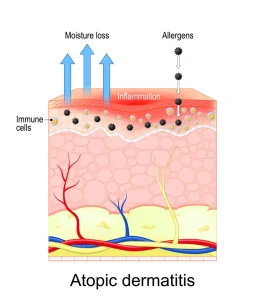
Atopic dermatitis, also known as eczema, is a chronic skin condition that causes dry, itchy, and inflamed skin. It is most common in young children, but it can affect people of any age. The condition often follows a long-term pattern, with periods when symptoms worsen, called flares, and times when the skin improves.
Although atopic dermatitis can be uncomfortable and sometimes painful, it is not contagious. People with this condition often have a sensitive skin barrier that does not retain moisture well and reacts easily to irritants. Individuals with atopic dermatitis are also more likely to develop other allergic conditions such as food allergies, hay fever, and asthma.
Regular moisturizing and consistent skin care can help reduce itching and prevent flares. In some cases, treatment may include medicated creams or ointments to control inflammation and relieve symptoms.
Symptoms
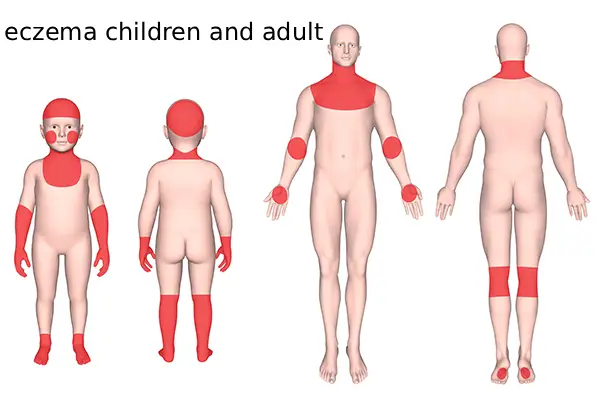
Symptoms of atopic dermatitis can appear anywhere on the body and may differ in severity from one person to another. They often begin in early childhood but can persist into adolescence and adulthood. Common symptoms include:
-
Dry, cracked skin
-
Persistent itching, which may be severe
-
Rash on swollen skin that can vary in color depending on skin tone
-
Small, raised bumps that may appear darker on brown or Black skin
-
Oozing or crusting areas of skin
-
Thickened or leathery skin from repeated scratching
-
Darkening of the skin around the eyes
-
Raw, sensitive skin caused by scratching
In many people, symptoms flare for a period of time and then improve or disappear for months or even years.
Causes

Atopic dermatitis is linked to a combination of genetic, immune, and environmental factors. In some individuals, a gene variation affects the skin’s ability to act as a protective barrier. When this barrier is weak, the skin loses moisture easily and becomes more vulnerable to irritants, allergens, bacteria, and environmental factors such as tobacco smoke.
In other cases, an overgrowth of the bacteria Staphylococcus aureus on the skin disrupts the normal balance of skin microorganisms. This can weaken the skin barrier further and contribute to inflammation.
A weakened skin barrier may also trigger an overactive immune response, leading to redness, swelling, and itching. Atopic dermatitis is one type of dermatitis and is different from other forms such as contact dermatitis or seborrheic dermatitis.
Risk factors
Several factors increase the risk of developing atopic dermatitis. The most important risk factor is a personal or family history of allergic conditions. Risk factors include:
-
A personal history of eczema, asthma, hay fever, or allergies
-
A family history of atopic dermatitis or other allergic diseases
-
Early childhood onset of allergic conditions
These factors suggest a strong genetic and immune system link to the development of the condition.
Complications
Atopic dermatitis can lead to a number of complications, especially if symptoms are severe or long lasting. Possible complications include:
-
Asthma and hay fever, which may develop before or after the onset of atopic dermatitis
-
Food allergies, often presenting with hives or other allergic skin reactions
-
Chronic itchy, scaly skin known as neurodermatitis, caused by repeated scratching
-
Changes in skin color, including darker or lighter patches after healing, especially in people with darker skin tones
-
Skin infections caused by bacteria or viruses entering through broken skin
-
Irritant hand dermatitis, particularly in people whose hands are frequently exposed to water or harsh substances
-
Allergic contact dermatitis triggered by substances the skin becomes sensitive to
-
Sleep disturbances due to persistent itching
-
Mental health concerns such as anxiety or depression, often related to chronic itching and poor sleep