
Overview
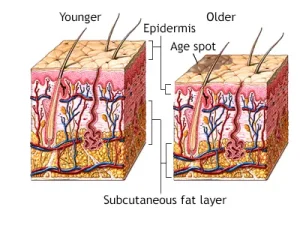
Age spots, also called liver spots or solar lentigines, are flat, brown, gray or black spots that appear on the skin. They usually develop on areas exposed to the sun, such as the face, hands, shoulders, arms and upper back.
Age spots are caused by excess production of melanin, the pigment that gives skin its color. They are most common in adults over age 50, but younger people can develop them too, especially with frequent sun exposure. Despite the name, age spots are not related to the liver and are not a sign of liver disease.
Age spots are harmless and do not require medical treatment. However, some people choose to reduce their appearance for cosmetic reasons.
Symptoms

Age spots usually have distinct features that make them easy to recognize. Common characteristics include:
-
Flat, oval areas of increased pigmentation
-
Color ranging from light brown to dark brown or black
-
Size that varies from small freckle-like spots to larger patches
-
Clearly defined borders
-
Location on sun-exposed skin
Age spots are not painful, itchy or raised. If a spot changes in size, shape, color or begins to bleed, it should be checked by a healthcare professional.
When to see a doctor
See a healthcare professional if a spot:
-
Grows quickly
-
Has an irregular border
-
Has multiple colors
-
Bleeds, itches or becomes painful
These changes can be signs of skin cancer, such as melanoma, and need prompt evaluation.
Causes
Age spots develop when the skin produces extra melanin. Sun exposure is the main cause because ultraviolet light speeds up melanin production. Over time, repeated sun exposure leads to concentrated areas of pigment that appear as age spots.
Other factors that may contribute include:
-
Use of tanning beds
-
Natural aging of the skin
-
Lighter skin tones, which are more prone to sun damage
Risk factors
Factors that increase the likelihood of developing age spots include:
-
Being over age 50
-
Frequent or intense sun exposure
-
History of sunburns
-
Use of tanning beds
-
Light-colored skin, hair or eyes
People with darker skin tones can also develop age spots, but they may be less noticeable.
Complications
Age spots themselves do not cause medical complications. However, they may:
-
Be mistaken for skin cancer or hide early signs of melanoma
-
Cause cosmetic concerns that affect self-confidence
Any suspicious skin change should be evaluated to rule out serious conditions.
Prevention
You can reduce the risk of developing age spots by protecting your skin from sun damage:
-
Use a broad-spectrum sunscreen with an SPF of 30 or higher every day
-
Wear protective clothing, wide-brimmed hats and sunglasses
-
Avoid sun exposure during peak hours, typically late morning to afternoon
-
Avoid tanning beds and sunlamps
Consistent sun protection can also prevent existing age spots from becoming darker and help maintain overall skin health.
Advertisement
