
Overview
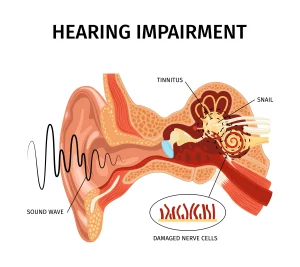
An acoustic neuroma, also known as vestibular schwannoma, is a rare, benign tumor that develops on the vestibulocochlear nerve. This nerve connects the inner ear to the brain and plays a key role in hearing and balance. Although these tumors grow inside the skull near the brainstem, they do not arise from brain tissue and are not classified as brain tumors. They do not spread to other parts of the body.
Most acoustic neuromas affect only one ear, though in rare cases they can develop on both sides. Because the tumor grows on a nerve involved in hearing and balance, its growth can lead to hearing loss, ringing in the ear, and balance problems. In some cases, nearby nerves that control facial movement or sensation may also be affected.
Acoustic neuromas usually grow slowly, often over many years. In rare situations, a tumor may grow large enough to press on the brainstem and interfere with vital functions. Treatment options depend on tumor size, growth rate, symptoms, and overall health, and may include careful monitoring, radiation therapy, or surgical removal.
Symptoms
Symptoms of an acoustic neuroma often develop gradually and may be subtle at first. Because these tumors typically grow very slowly, symptoms may take years to become noticeable. The symptoms are mainly caused by pressure on nearby nerves or brain structures.
Common symptoms include:
-
Hearing loss in one ear, usually developing slowly over months or years
-
Ringing in the affected ear, known as tinnitus
-
Balance problems or a feeling of unsteadiness
-
Dizziness or vertigo
-
Facial numbness, tingling, or rarely weakness on the affected side
Hearing loss related to acoustic neuroma is usually sensorineural, meaning it results from damage to the inner ear or hearing nerve rather than a blockage. Many people notice difficulty hearing high-pitched sounds first. Over time, hearing may become muffled or unclear, and it can be hard to follow conversations, especially in noisy environments.
Unlike many other tumors inside the skull, acoustic neuromas rarely cause headaches, memory problems, or neck pain unless they become quite large. In rare cases, a large tumor can compress the brainstem and become life-threatening.
Causes
The exact cause of most acoustic neuromas is not well understood. In many people, there is no identifiable reason why the tumor develops. Research suggests that, in some cases, the condition is linked to changes in a gene located on chromosome 22.
This gene normally helps control the growth of Schwann cells, which form the protective covering around nerves. When the gene does not function properly, Schwann cells can grow uncontrollably and form a tumor. This genetic change is sometimes associated with a rare inherited condition known as NF2-related schwannomatosis, previously called neurofibromatosis type 2.
People with this condition often develop acoustic neuromas on both sides of the head, along with other nerve-related tumors.
Risk factors
There is one clearly established risk factor for developing an acoustic neuroma:
-
Having a parent with NF2-related schwannomatosis
NF2 is inherited in an autosomal dominant pattern, meaning a child has a 50 percent chance of inheriting the gene if one parent is affected. However, only a small percentage of people with acoustic neuromas have this condition.
Some studies suggest that long-term exposure to loud noise may slightly increase the risk of acoustic neuroma, but the overall risk remains low. More research is needed to fully understand this possible association.
Complications
Complications from acoustic neuroma depend largely on the size of the tumor and whether it continues to grow. Smaller tumors often cause limited symptoms, while larger or untreated tumors can lead to more serious problems.
Common complications include:
-
Permanent hearing loss in the affected ear
-
Persistent ringing in the ear
-
Ongoing balance problems or unsteadiness
Complications more likely with larger tumors include:
-
Facial numbness or weakness due to pressure on nearby nerves
-
Headache or a feeling of pressure inside the head
-
Worsening balance and difficulty walking
-
Hydrocephalus, a buildup of fluid in the brain caused by blockage of normal fluid flow, leading to increased pressure inside the skull
-
Rarely, swallowing difficulties or voice changes if lower cranial nerves are affected
In people with NF2-related schwannomatosis, tumors may develop on both sides of the head, increasing the risk of hearing loss in both ears and more complex neurological complications.
Advertisement
